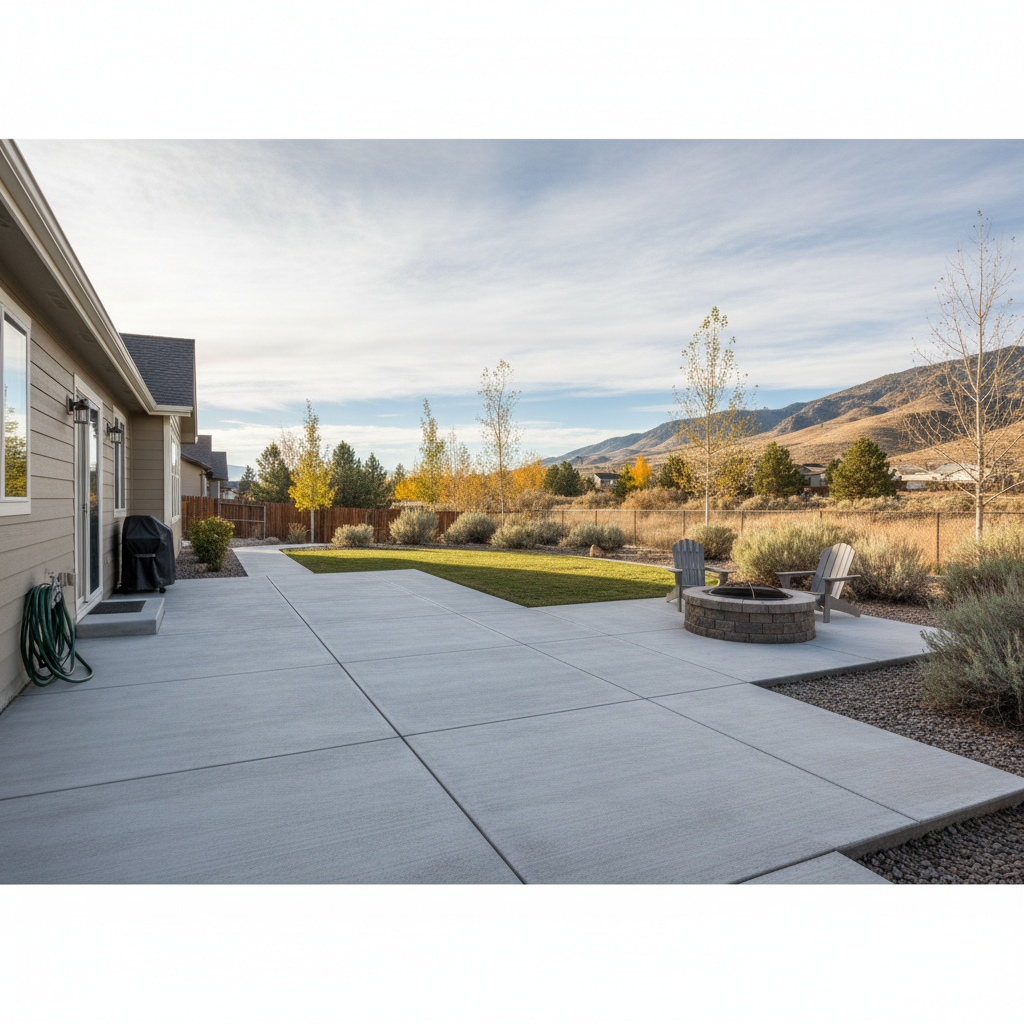
Thinking about a new concrete driveway, maybe a patio out back, or some fresh walkways around your Ogden home? That's great! Concrete flatwork, when it's done right, really adds a ton of value and curb appeal. But I've seen my share of projects go south because folks just didn't know what to look out for. As a local contractor with Classic Concrete Solutions, I've got a pretty good idea of the mistakes homeowners often make. Let's make sure you don't make 'em.
Mistake #1: Focusing Only on the Lowest Bid
Everyone wants a good deal, I totally get it. But for something as permanent as concrete, the lowest bid isn't always the best deal. Actually, it's often a red flag. Think about it for a second: if one bid is way lower than all the others, what corners are they cutting? Are they using cheaper materials? Do they have a less experienced crew? Are they even properly insured? I've definitely seen homeowners jump on a super low price, only to have the concrete crack way too soon, drain all wrong, or just look plain bad within a year or two. Then they're calling someone like me to tear it out and do it right, which costs a whole lot more than if they'd just invested properly the first time. Get multiple bids, absolutely, but compare apples to apples. Ask what's included, what kind of rebar or wire mesh they're using, and what their warranty actually covers.
Mistake #2: Not Checking References and Insurance
This one seems obvious, right? But you'd be surprised how many people skip it. Before you let anyone start digging up your yard, you need to know they're legitimate. Ask for references, and actually call them. Ask about their experience, how they handled unexpected issues, and if the project finished on time and on budget. Even more importantly, ask for proof of insurance. We're talking general liability and workers' compensation. If a worker gets hurt on your property and the contractor isn't insured, guess who's potentially liable? You are. Don't just take their word for it; get a current certificate of insurance directly from their insurance provider. Any reputable contractor won't bat an eye at this request, trust me.
Mistake #3: Ignoring Site Prep and Drainage
Good concrete flatwork isn't just about pouring cement; it's all about what's underneath. Proper site preparation and drainage are absolutely critical, especially here in Ogden where we get those heavy winter snows and spring thaws that can really put pressure on your slab. If the ground isn't properly compacted, graded, and prepared, your concrete is going to settle, crack, and potentially heave. I've seen driveways in the East Bench area that look like roller coasters because the ground wasn't prepped right. You just need a solid, stable base. Also, think about where the water will go. You certainly don't want your new patio draining into your basement or creating a pond right next to your foundation. A good contractor will talk to you about grading and make sure water flows away from your home. This isn't an area to cut costs, period.
Mistake #4: Not Getting a Detailed Contract
A handshake and a verbal agreement might work for some things, but definitely not for a concrete project. You need everything in writing. The contract should clearly outline the scope of work: what's being poured, the dimensions, thickness, type of concrete, what reinforcement they're using, site preparation details, cleanup, and the payment schedule. It should also include start and completion dates, warranty information, and what happens if there are change orders. This protects both you and the contractor, you know? If it's not in the contract, don't assume it's included. It prevents misunderstandings and ensures everyone is on the same page.
Mistake #5: Rushing the Curing Process
Once your new concrete is poured, the hardest part is waiting. But that waiting period, known as curing, is vital. Concrete doesn't just dry; it cures, which is a chemical process that actually strengthens it. If you drive on it too soon, or put heavy furniture on a patio before it's ready, you can cause permanent damage, cracks, and weak spots. Your contractor should give you clear instructions on when it's safe to walk on, drive on, or place heavy items. Typically, you're looking at 24-48 hours for light foot traffic, a week for vehicles, and up to a month for full strength. Be patient! It'll pay off in the long run with a much more durable slab.
Hiring for concrete flatwork doesn't have to be a headache. By avoiding these common mistakes, you'll be well on your way to a successful project that adds lasting beauty and function to your home. If you've got questions, don't hesitate to ask around or reach out to a local pro like us at Classic Concrete Solutions.