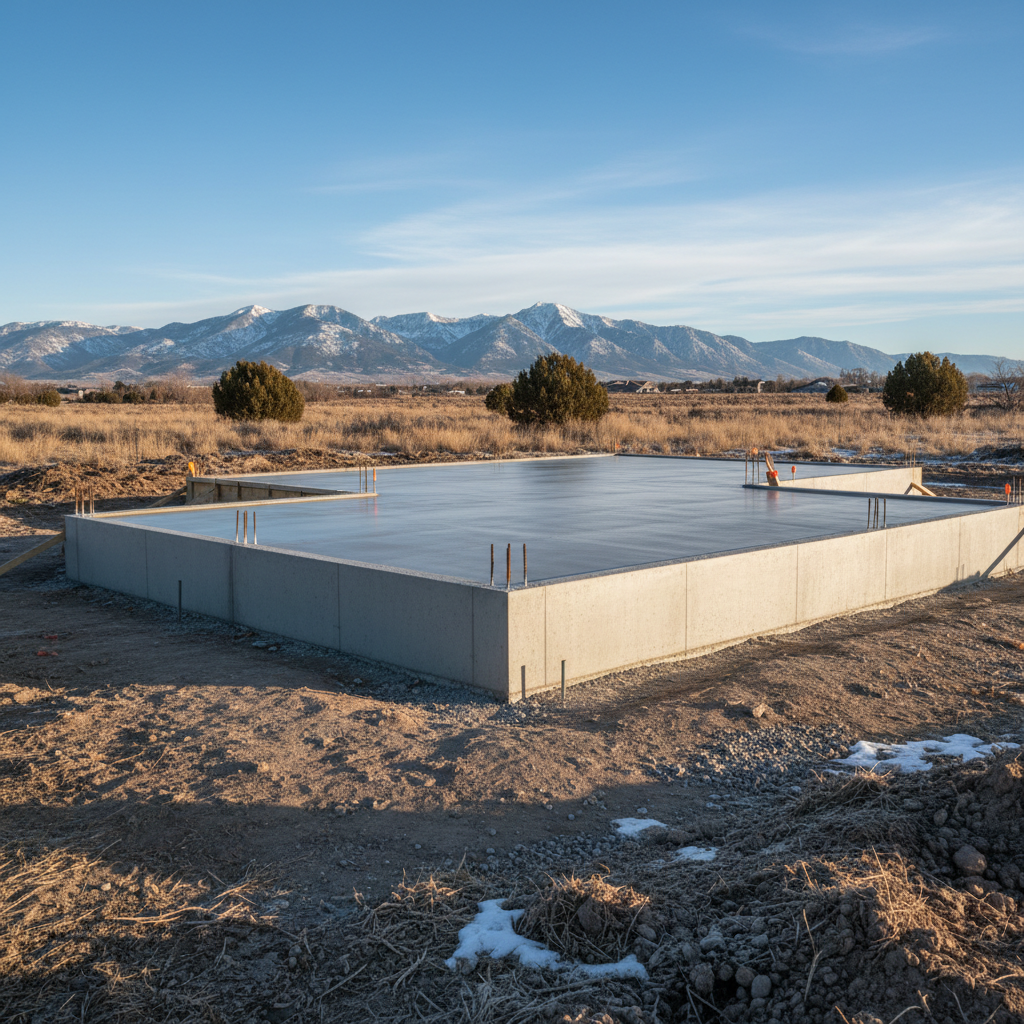
When's the best time to pour concrete in Ogden? That's a question I get a lot, and it's a good one. You might think concrete's just concrete, but our Utah weather, especially up here at the base of the Wasatch Front, has a big say in how well it cures and how long it lasts. Getting the timing right isn't just about my schedule; it's about making sure your investment holds up for decades.
Understanding Ogden's Seasons and Concrete
Our climate here in Ogden is what we call a semi-arid continental climate. That's a fancy way of saying we get hot, dry summers and cold, snowy winters. Both extremes can be tough on concrete if you're not careful. The ideal temperature for pouring and curing concrete is usually between 50 and 80 degrees Fahrenheit. That gives the concrete a chance to hydrate properly, gaining strength without drying out too fast or freezing before it's set.
So, what does that mean for scheduling? Spring and fall are generally your best bets. From late April through June, and then again from September through October, we usually hit that sweet spot. The days are warm enough, and the nights aren't dipping below freezing consistently. This allows the concrete to cure slowly and evenly, which is crucial for preventing cracks and ensuring maximum strength.
Summer can work, but it comes with its own challenges. Those 90-degree plus days we see in July and August mean the concrete can dry out too quickly. We have to take extra precautions, like adding retarders to the mix or using more aggressive curing methods, to make sure it doesn't lose strength. And winter? Forget about it for most major pours. Pouring concrete when temperatures are consistently below freezing is just asking for trouble. The water in the mix can freeze before the concrete sets, expanding and causing significant damage. We've seen foundations in older neighborhoods like those near the Ogden River Parkway that just crumbled over time because they weren't poured or cured right in tough conditions.
Weather Conditions That Affect the Job
It's not just temperature; other weather factors play a role too. High winds, for example, can dry out the surface of fresh concrete too fast, leading to surface cracks. Rain is another big one. You absolutely cannot pour concrete in the rain. It dilutes the mix, weakens the concrete, and can wash away the cement paste, leaving you with a weak, sandy surface. Even if it's just a light drizzle, we'll likely reschedule. We're always watching the forecast closely.
Humidity matters too. Lower humidity, which we often have here, means concrete dries faster. That's why proper curing techniques, like using curing compounds or keeping the concrete wet for several days, are so important. We don't just pour and leave; we make sure it's protected during those critical first few days and weeks.
Protecting Your Concrete Investment Year-Round
Once your foundation is in, your job isn't over. You've got to protect that investment. Here are a few things you can do:
- Keep it Clean: Sweep off dirt and debris regularly. Don't let organic matter sit and decompose on the surface, especially in damp areas.
- Seal It: I can't stress this enough. A good quality penetrating sealer applied every few years will protect your concrete from moisture, de-icing salts, and general wear and tear. It's like sunscreen for your foundation. Classic Concrete Solutions can help you pick the right one and apply it.
- Manage Water: Make sure your gutters are working and directing water away from your foundation. Proper drainage around your home is key to preventing water from saturating the soil around the foundation, which can lead to settling or cracking over time, especially with our clay-heavy soils in some parts of Ogden.
- Avoid De-Icing Salts: If you can, use sand for traction on sidewalks and driveways instead of rock salt or other de-icing chemicals. Those salts are brutal on concrete, causing spalling and deterioration over time.
- Address Cracks Early: Small cracks can become big problems. If you see new cracks forming, especially wider than a credit card, give us a call. We can assess them and recommend repairs before they get worse.
Pouring a foundation is a big job, and it's one you want done right the first time. By understanding how Ogden's climate affects concrete and taking steps to protect it, you'll ensure your foundation stands strong for decades to come. Don't hesitate to reach out if you have questions about your specific project.