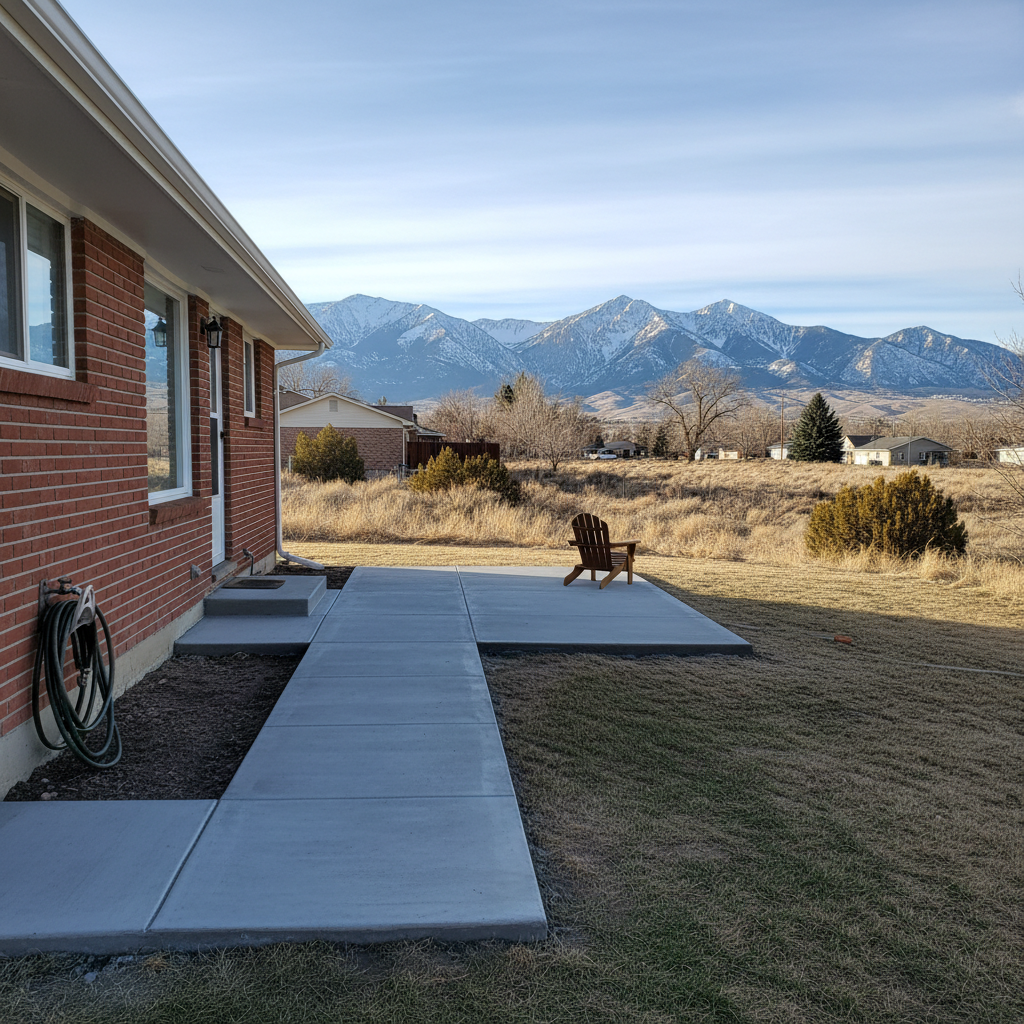
Your concrete's seen better days, right? Maybe you've got some cracks spreading, or the surface is flaking off. It's a pretty common sight around Ogden, especially with our crazy temperature swings. But when's the right time to actually get it fixed? And what should you be looking out for, anyway?
When to Schedule Concrete Repairs in Ogden
Look, the biggest factor for concrete work around here is always the weather. It's not just about whether it's raining or snowing; temperature and humidity play a huge role. Concrete needs just the right conditions to cure properly and bond correctly, especially when you're patching or resurfacing something.
I generally tell folks that spring and fall are your sweet spots for most concrete repairs. Why? Because you get those mild temperatures – not too hot, not too cold. In spring, after the last hard freeze (usually late April, early May for us around here), the ground's thawed out, and you're not battling ice. The air's got a bit of moisture, which helps with curing, but it's not usually pouring rain every day. Fall, say September through October, is also great. The intense summer heat is gone, and you're ahead of those winter freeze-thaw cycles that can really mess up fresh repairs.
Summer can work, but you've got to be careful. Those 90-degree days we get in July and August? They can make concrete dry out way too fast, leading to shrinkage cracks or a weaker surface. If we're doing work in the summer, we're taking extra steps to keep the concrete cool and moist, like misting it or using special curing compounds. Winter? Forget about it for most repairs. You just can't pour or patch concrete when it's freezing, or when it's going to freeze shortly after. That water in the mix expands, and you end up with a real mess.
What Weather Conditions Really Affect Concrete Work?
It's not just the season, it's the daily conditions. Here's what I'm always watching:
- Temperature: Ideally, you want temps between 50 and 80 degrees Fahrenheit for pouring or major patching. Below 40 degrees, the chemical reactions slow way down, and above 90, it dries too fast.
- Moisture: A little humidity is good; too much rain is bad. You can't work on a saturated surface, and you definitely can't pour concrete in a downpour. It washes out the cement paste, you know?
- Wind: High winds can dry out the surface of fresh concrete too quickly, even on a mild day. This can cause plastic shrinkage cracks. We'll often put up windbreaks if we're working on an exposed slab.
- Sun Exposure: Direct, intense sunlight also speeds up drying. We'll sometimes shade areas or work early in the morning or late in the afternoon to avoid the hottest part of the day.
These are the things that dictate when I can confidently say,