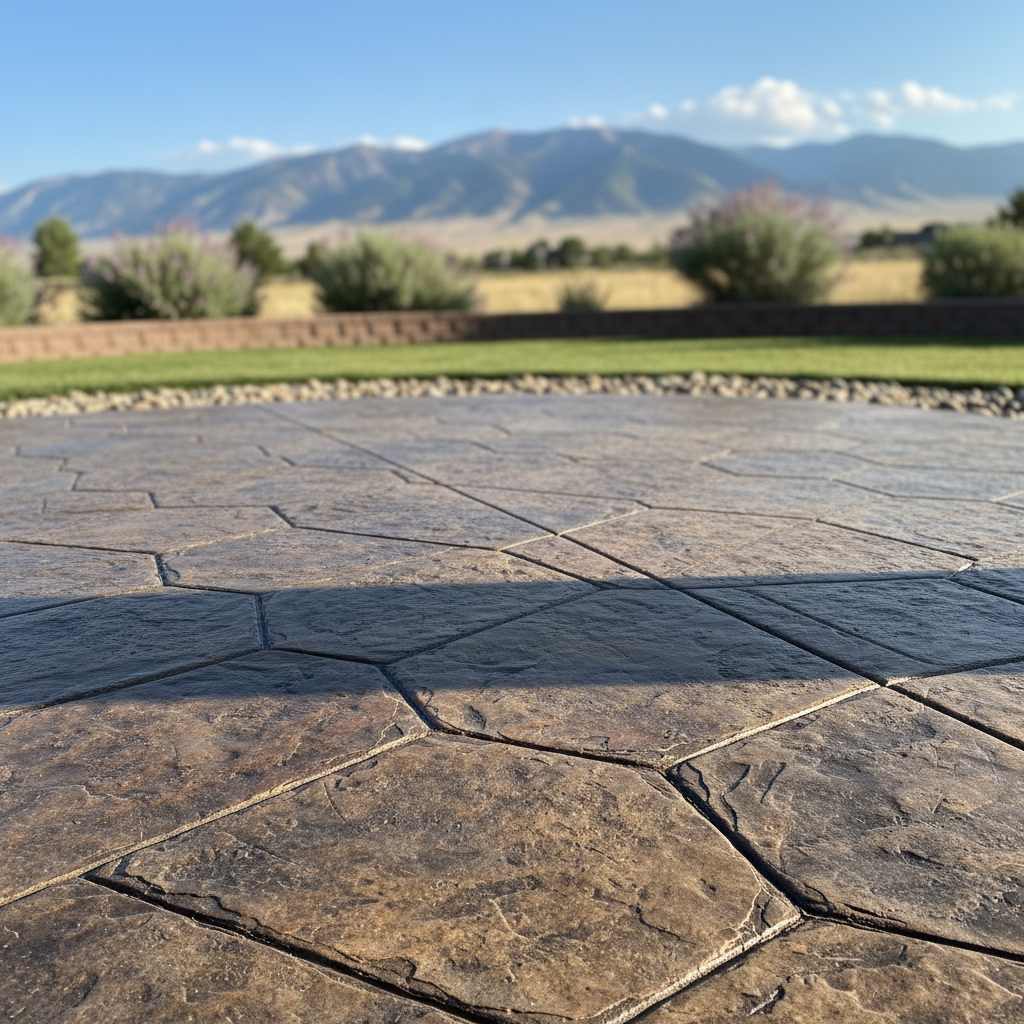
You're probably here because you're looking at decorative concrete for your home, and you've got questions. Good. You should. It's a big decision, and there's a lot of info out there, some of it not so clear. As a contractor who's been doing this in Ogden for years, I hear the same questions over and over again. So, I figured I'd just lay it all out for you. No marketing fluff, just honest answers based on what I've seen work and what doesn't.
What exactly is 'decorative concrete' anyway?
That's a fair question, because it's a pretty broad term. Basically, it's any concrete that's been treated or altered to be more than just a plain gray slab. Think of it as concrete with a facelift. This can mean a bunch of different things. For instance, it could be stamped concrete, where we press a pattern into the fresh concrete to make it look like stone, brick, wood, or even tile. It could be colored concrete, where we add pigments to the mix or apply stains to the surface to get a specific hue. Then there's polished concrete, which is ground down and buffed to a high shine, and even things like exposed aggregate, where we wash away the top layer to reveal the natural stones underneath. The goal is always the same: to make concrete beautiful and functional, not just functional.
How long does decorative concrete really last in our Ogden climate?
This is a big one, especially with our crazy Ogden weather. You know how it goes – scorching summers, freezing winters, and that freeze-thaw cycle that can be brutal on anything outdoors. If it's installed right and properly maintained, decorative concrete can last for decades. I'm talking 20, 30 years, sometimes more. The key is proper installation, which means good sub-base prep, the right mix, and correct curing. And then, sealing is crucial, especially here. A good sealer protects against moisture, UV rays, and abrasion. You'll need to reapply that sealer every few years, depending on traffic and exposure. Ignore that, and you're asking for trouble down the line. It's an investment, and like any investment, it needs a little care to pay off.
Can decorative concrete be used indoors? Like for floors?
Absolutely, and it's actually a really popular option these days. People are loving the modern, industrial, or even rustic look it can bring inside. Polished concrete floors are probably the most common indoor decorative concrete application. They're incredibly durable, easy to clean, and can look super sleek. You can also stain concrete floors indoors to get rich, earthy tones or vibrant colors. Stamped concrete is less common indoors, but I've seen it used effectively in basements or sunrooms where you want to mimic an outdoor patio feel. The biggest benefit indoors is the longevity and low maintenance compared to carpet or even some hardwoods. Plus, it's great for radiant heating systems.
Is decorative concrete slippery, especially when wet or snowy?
That's a valid concern, especially for outdoor patios, walkways, or pool decks. Nobody wants to take a spill. The good news is that we can absolutely build slip resistance right into decorative concrete. For stamped concrete, the texture itself often provides some grip. We can also add anti-slip additives to the sealer, though. These are usually fine grit materials that get mixed into the sealer and create a slightly rougher surface without really changing the look. For polished concrete indoors, it's generally not as slippery as you might think, but if it's in a high-traffic area that might get wet, like an entryway, we can use specialized sealers or treatments to increase traction. We always discuss this upfront, especially if it's for a pool deck or a sloped driveway in areas like the East Bench where you get more snow and ice.
What kind of maintenance does decorative concrete require?
Compared to some other materials, it's pretty low maintenance, but 'low' doesn't mean 'no.' The biggest thing, as I mentioned, is sealing. For outdoor decorative concrete, plan on resealing every 2-5 years, depending on wear and tear and sun exposure. For indoor floors, it might be less frequent, maybe every 5-10 years. Beyond that, it's mostly common sense. Keep it clean. Sweep or blow off debris regularly, especially leaves or dirt that can stain. For spills, clean them up quickly, especially anything acidic or oily. A mild detergent and water with a good scrub brush usually does the trick for tougher spots. Avoid harsh chemicals or abrasive cleaners that can damage the sealer or the concrete itself. Think of it like a really durable countertop – a little regular care goes a long way.
Can I match my new decorative concrete to existing elements?
Yep, that's a common request, and it's definitely doable. We often work to blend new concrete with existing brick, stone, or even other concrete surfaces. For coloring, we've got a huge palette of integral colors and stains, so we can usually find a shade that complements what you already have. If you're going with stamped concrete, there are dozens of patterns that mimic natural stone or brick, so we can pick one that fits your home's aesthetic. It's all about careful planning and choosing the right materials and techniques. Bring us pictures of your home, your landscaping, and anything else you want to match, and we can walk you through the options. Our goal at Classic Concrete Solutions is always to make your new concrete look like it's always been there, just better.
What about cracks? Will decorative concrete crack just like regular concrete?
Look, concrete cracks. It's a fact of life. It expands and contracts with temperature changes, and it settles a bit. Decorative concrete isn't magic; it's still concrete. However, we do a lot to control where those cracks happen and to minimize their visibility. That means proper sub-base preparation, using the right concrete mix with appropriate strength and slump, and crucially, installing control joints. These are saw cuts or grooves that create weak points in the slab, encouraging any cracking to occur along those lines, where it's much less noticeable. For stamped concrete, the patterns themselves can sometimes help disguise minor hairline cracks. While we can't promise zero cracks, we can absolutely take all the right steps to ensure that any cracking is managed and doesn't detract from the beauty or integrity of your decorative surface.