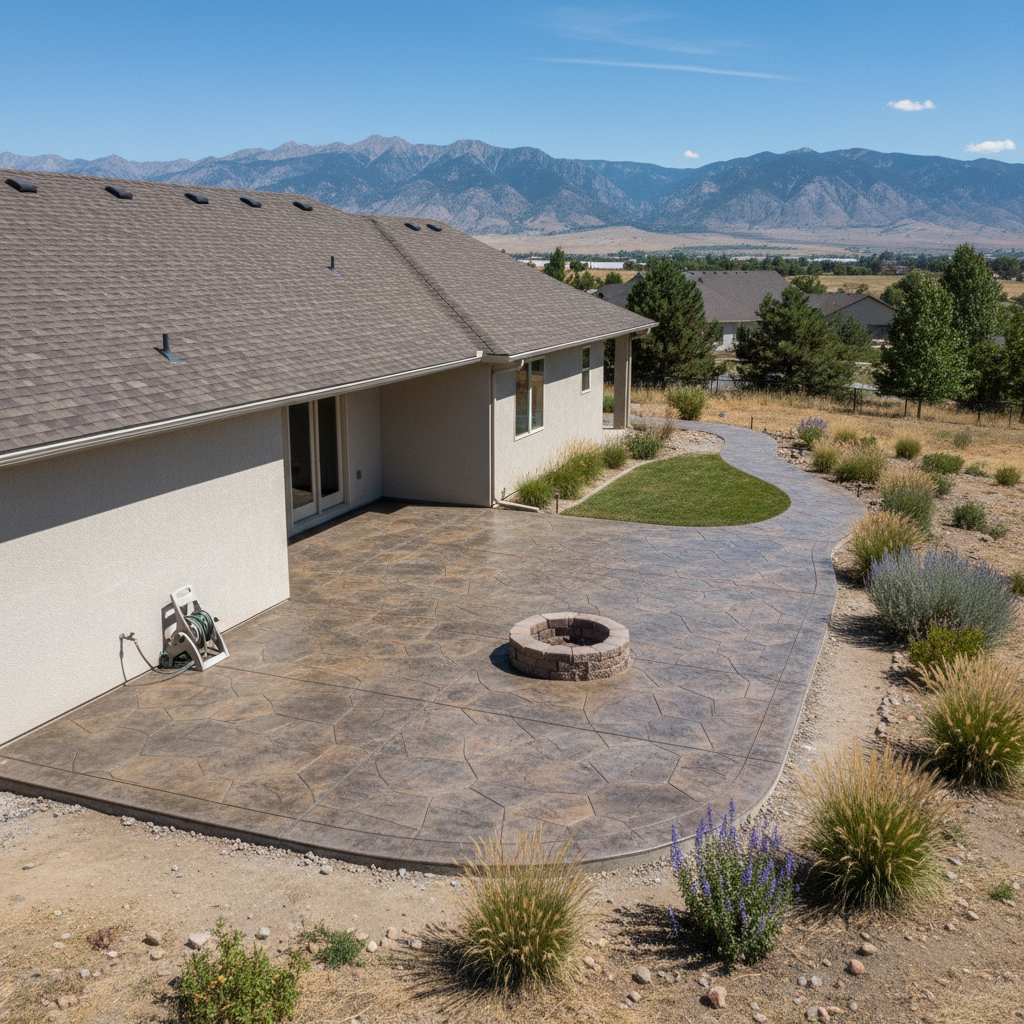
So, you're thinking about stamped concrete for your patio, walkway, or driveway? Smart move, that. It looks great and really boosts curb appeal. But before you get too excited about picking patterns and colors, let's talk about the nitty-gritty of planning. A good plan makes all the difference between a smooth project and a total headache. I've seen it countless times here in Ogden.
When to Plan Your Stamped Concrete Project
Timing is a big deal, especially with concrete work. You can't just decide on a Tuesday and expect it done by Friday, can you? Good contractors are usually booked solid, and you definitely want a good one. I'd say start planning at least 2-3 months before you want the work to actually happen. If you're aiming for a spring project, you should be calling contractors in January or February. For a fall project, start thinking about it in July or August. This gives you plenty of time to get multiple bids, check references, and make an informed decision without feeling rushed. It also gives the contractor time to fit you into their schedule, which is super important during our busy seasons here in Ogden when everyone's trying to get outdoor projects done before the snow flies or right after it melts.
What to Expect During the Process
Alright, you've picked your contractor – hopefully, Classic Concrete Solutions! What happens next? Here's a general rundown of what you'll see:
- Initial Consultation & Design: We'll come out, look at your space, talk about what you want, and offer some suggestions. This is where we nail down the pattern, color, and any special features. We'll measure everything and give you a detailed quote.
- Site Preparation: This step is crucial. We'll need to clear the area, remove any old concrete or landscaping, and get the subgrade ready. This usually involves excavation, grading, and compacting the soil. If your yard has some of that heavy clay soil we often see around the foothills of Ogden, proper compaction is even more critical to prevent future cracking.
- Forming: We'll set up forms to define the exact shape and size of your new concrete slab. This is where the edges and curves really take shape.
- Rebar or Wire Mesh Placement: Steel reinforcement goes down to give your concrete strength and help prevent cracking. Don't skip this; it's a non-negotiable for a durable slab.
- Pouring the Concrete: This is the big day! The concrete truck arrives, and we pour the fresh concrete into the forms.
- Stamping: Once the concrete reaches just the right consistency – it's a small window, so we work fast – we'll apply the stamping mats to create your chosen pattern. This is where the artistry comes in.
- Curing: The concrete needs time to harden and gain strength. We'll apply a curing compound, and you'll need to keep off it for a few days, sometimes a week, depending on the weather and mix.
- Sealing: After the concrete is fully cured and cleaned, we'll apply a sealant. This protects the surface, enhances the color, and makes it easier to clean.
It's not a one-day job, folks. There are multiple stages, and each needs proper time and attention.
How to Prepare Your Home and Yard
Once you've got a start date, there are a few things you can do to make things easier for everyone:
- Clear the Area: Move any patio furniture, grills, potted plants, or anything else that's in the way of the work zone.
- Mark Sprinkler Heads & Utilities: If you have an underground sprinkler system, mark the heads clearly. Better yet, if you know where your lines run, let us know. Same goes for any buried dog fences or low-voltage lighting lines. We definitely don't want any surprises.
- Provide Access: Make sure we have clear access for our equipment and materials. If we need to get a concrete truck close, clear the driveway.
- Talk to Your Neighbors: Let them know about the upcoming work. There will be some noise, dust, and truck traffic. A heads-up goes a long way.
- Plan for Disruption: You won't be able to use that area for a bit. If it's your main walkway, figure out an alternative route for a few days.
Questions to Ask Before Signing a Contract
Don't just sign the first thing put in front of you. You're making an investment, after all. Ask these questions:
- Are you licensed and insured in Utah? Get proof. This protects you if something goes wrong.
- Can I see examples of your stamped concrete work? Photos are good, but if they can point you to a local project you can drive by, that's even better.
- What's your warranty on the work? Understand what's covered and for how long.
- What's the payment schedule? A reputable contractor won't ask for 100% upfront. Expect a deposit, progress payments, and a final payment upon completion.
- Who will be doing the actual work? Is it their crew or subcontractors? If subs, are they also licensed and insured?
- What's included in the price? Get a detailed breakdown. Does it include site prep, reinforcement, sealing, and cleanup?
- How long will the project take, start to finish? Get a realistic timeline, and understand that weather can affect it.
- What kind of maintenance will the stamped concrete require? You'll want to know about resealing and cleaning.
Asking these questions upfront saves you a lot of grief down the road. You want to feel confident in your choice. A good contractor, like us at Classic Concrete Solutions, will be happy to answer all of them clearly and honestly. We want you to be thrilled with your new stamped concrete, not just when it's done, but for years to come.